
If you’ve spent any time in the beauty world—or even just doom-scrolling stylist TikTok—you’ve probably noticed how often people use the terms cosmetologist and hair stylist interchangeably.
If you’ve spent any time in the beauty world—or even just doom-scrolling stylist TikTok—you’ve probably noticed how often people use the terms cosmetologist and hair stylist interchangeably. While both are central to the beauty industry, the distinction is more about regulation and professional focus than a hard divide.
From a licensing standpoint, a cosmetologist is the official, state-licensed professional who is legally permitted to perform hair, skin, and nail services. A hair stylist, on the other hand, is generally a professional identity rather than a regulated license, although a few states recognize hair-focused licenses under titles like “Hair Designer” or “Natural Hair Specialist” (source: National-Interstate Council of State Boards of Cosmetology). Most full hair services in the U.S. still require a cosmetology or barber license as the foundational credential.
Where the conversation really gets interesting—and where your career can start to take on its own personality—is in how professionals are carving out their niche. More and more licensed cosmetologists are zeroing in on hair, focusing on services like cutting, coloring, texture work, extensions, and blonding. That focus is shaping the future of the industry, helping stylists build a signature voice, sharpen their skills, and deliver exactly what their distinguishing clients are looking for.
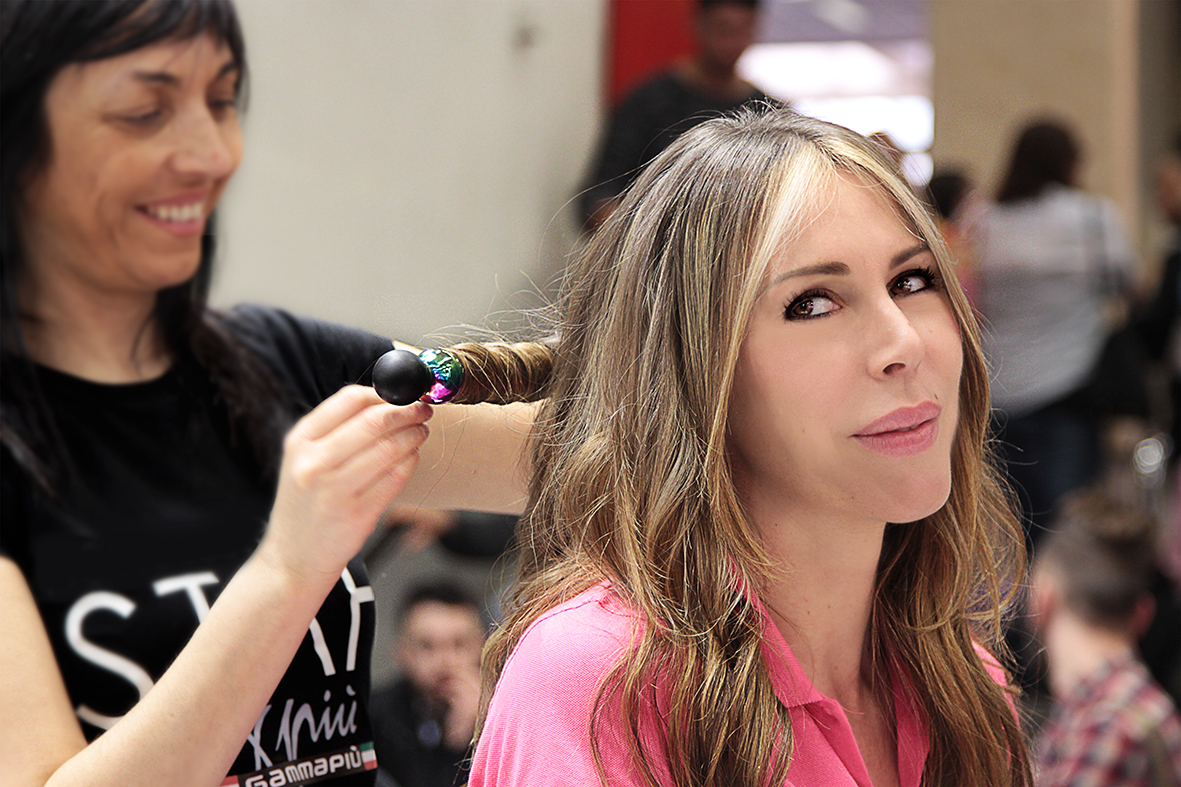
Understanding the Overlap Between Cosmetologists and Hair Stylists
Cosmetologists and hair stylists share a foundation: both can cut and color hair, consult with clients, and apply technical expertise using tools and chemical knowledge. Cosmetologists are trained in a broad range of services—hair, nails, skin, makeup, and sanitation standards—which makes them versatile and adaptable. Hair stylists often build on this foundation, focusing their expertise on hair in a more specialized and intentional way.
In practical terms:
-
• Cosmetologist training covers a wide scope of beauty practices; an all-encompassing sample of hair, nails, skin, makeup, and more. You learn the science behind products, the fundamentals of cutting and coloring, the basics of nail health, the foundation of skincare, and the do-not-mess-this-up rules of sanitation.
- • Hair-focused practice tends to emphasize depth over breadth. tends to emphasize depth over breadth. Their world is hair—cutting it, coloring it, styling it, transforming it, and understanding it down to an absolute science. While cosmetology school provides the intro course, hair styling is the deep dive. Hair stylists spend years mastering color formulations, dissecting haircut structures, learning the nuances of blowouts and finishing work, and shaping editorial-level transformations.
The distinction has nothing to do with hierarchy or value, but rather, focus. A cosmetologist can absolutely work as a hair stylist, and many do. The difference is that specialization allows a professional to build a career around a specific expertise and creative identity.
Why Many Cosmetologists Are Focusing on Hair Services
Over the past several years, licensed cosmetologists have increasingly focused on hair as their primary area of expertise. There are a few reasons for this trend:
- • Today’s clients research stylists the way they research restaurants, electronics, or tattoo artists. They’re informed, and want expertise, not availability.
- • A client searching for lived-in blonding might not want the jack of all trades. They’ll want someone whose entire Instagram grid indicates a blonding whiz.
- • Many cosmetologists quickly realize that giving a facial doesn’t hit the same dopamine level as painting a dimensional balayage or sculpting a cut with intention and movement.
- • There’s a level of artistic expression in hair that’s tactile, visual, and deeply personal all at once. Hair becomes the medium, and the stylist becomes an artist with endless potential.
- • High-demand services like corrective color, extensions, smoothing treatments, textured cuts, and blonding all require advanced training—and their service price tags reflect that.
- • Stylists who specialize often enjoy higher average ticket prices, fuller books, and more predictable schedules.
- • Cosmetologists often feel pulled in multiple directions because their skill set spans multiple beauty categories. Hair stylists, however, get to build a brand identity with clarity and intentionality.
- • Whether you're the curl specialist, blonding phenom, bridal styling queen, or short-hair perfectionist, a tight niche makes growth faster and marketing easier.
Tips from the Pros:
- • Follow the money: Advanced hair services like corrective color, extensions, and textured cuts command higher prices than many multi-category services.
- • Embrace creativity: Hair allows for tactile, visual, and highly personal artistry; something many cosmetologists discover they crave.
- • Specialization builds demand: Clients actively seek experts. Your focus becomes your brand and your marketing shortcut.
It’s worth noting: specializing does not mean turning clients away. Today’s industry conversations are shining a spotlight on inclusivity, especially when it comes to textured hair. You can build a focused, hair-forward career while still creating a space that welcomes every client and celebrates all hair types.
Key Skills for Success in Hair-Focused Practice
Cosmetology school builds the baseline, like safe practices, essential techniques, basic theory, and enough exposure to decide which part of the industry excites you most. However, becoming a hair stylist requires expanding these foundations into a more advanced and nuanced mastery.
| Key Skill | Cosmetology School Foundation | Hair Stylist Mastery |
| Color Theory | Basics of the color wheel and fundamental formulation. | Deep understanding of pigment behavior, lift, undertones, and product interactions across hair textures and histories. Can “read” a head of hair for past color and future potential. |
| Precision Cutting | Foundational cuts and basic structure. | Advanced craft of structure, movement, and weight distribution. Accounts for texture, cowlicks, shrinkage, density, lifestyle, and daily styling habits for cuts that grow out beautifully. |
| Texture Expertise | Broad principles of hair types. | Specialized techniques for curls, coils, and waves, including curl-by-curl cutting, diffusing, hydration layering, and pattern enhancement. |
| Styling & Finishing | Basic curling and blow-drying techniques. | Mastery of movement, polish, definition, longevity, blowout techniques, curling patterns, brush control, smoothing strategies, and Instagram-ready finishes. |
Tips from the Pros:
- • Deep dive vs. broad brush: Cosmetologists cover multiple disciplines; hair stylists perfect one. Invest in mastery.
- • Continuous learning is non-negotiable: Advanced hair techniques require ongoing education, so keep at it.
- • Document everything: Portfolio posts, reels, and before/afters prove your technical skill and attract clients who appreciate your expertise.
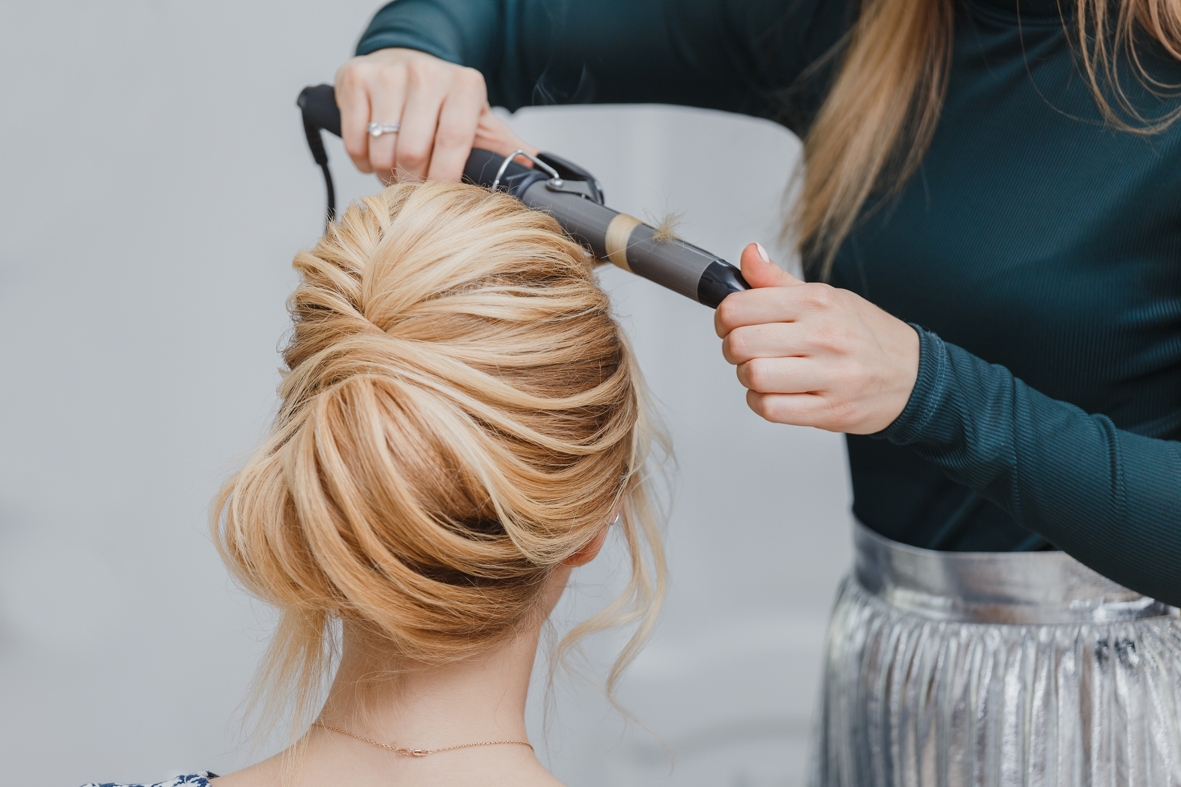
Transitioning from Cosmetologist to Hair-Focused Practice
Making the shift doesn’t mean rewriting your career. It means refining it. Here’s how to do it with intention.
Invest in the Right Education
- • Continuing education is what transforms a good cosmetologist into a confident hair stylist.
- • Workshops, shadowing, brand-led education, and certifications deepen your skill set from “general knowledge” to “high-level expertise.”
- • Choose education that aligns with the services you want to specialize in, whether that’s cutting, color, texture, or extensions.
Choose a Salon Environment That Feeds Your Growth
- • Not all salons are structured the same.
- • Some operate as full-service beauty hubs; others specialize in specific categories of hair.
- • If you want to become a true specialist, your environment should support that growth with mentorship, advanced training, and opportunities to practice and refine your focus.
Build Your Clientele with Strategy
- • Stylists today grow their clientele with a blend of real-world experience and digital presence.
- • Posting your work, showing behind-the-scenes processes, explaining techniques, and sharing tips all build trust.
- • Trust converts into booked appointments.
- • As with most things, consistency and visibility matter more than perfection.
Develop a Signature Experience
-
• Your technical ability is important, but your experience is what keeps clients returning.
Consultations, transparency, pricing clarity, and communication style all become part of your brand. - • Put together an experience that your clients can always count on.
Expand Your Toolkit to Match Your Ambition
- • As skill and specialization evolve, tools play a central role in enabling consistent, professional results.
- • The Stay-Temp Collection provides stylists with precision, reliability, and versatility to support focused hair services.
Tips from the Pros:
- • Start with a focused niche: Pick one hair service to specialize in before expanding. Depth beats breadth.
- • Leverage your existing foundation: Use your cosmetology training as a springboard rather than trying to relearn everything from the beginning.
- • Plan your schedule strategically: Gradually replace general services with specialized hair services to maintain income while growing your skillset.
Introducing the Stay Temp Collection: The Tools That Support Your Transition
The Stay-Temp Collection was designed and crafted to be your career companion. It’s the line that grows with you, supports your learning curve, and enhances your results without adding unnecessary complexity while you specialize your ropes.
When building out a new skillset, the last thing you need is a tool that overheats, underperforms, or behaves unpredictably. The Stay-Temp Collection eliminates those variables, giving you consistency as you refine your technique, versatility as you explore specialties, and reliability that lets you focus on your growing artistry. Stylists transitioning into more specialized hair services benefit from its reliability while learning new techniques, while seasoned pros appreciate the dependability that keeps their results steady during back-to-back clients. Either way, the collection meets you exactly where you are, and is built to support where you're going.
Stay-Temp Flat Iron

The Stay Temp Flat Iron is built for professionals who need consistent heat and precision for every type of styling challenge. Its ultra-thin titanium plates glide smoothly without snagging, while the Stay-Temp technology ensures that your selected temperature stays constant, even during continuous use. This iron is perfect for perfecting sleek, straight styles, S-wave textures, or glossy finishes, making it an essential tool for both skill-building and everyday salon work.
Stay-Temp Curling Irons

If creating long-lasting movement has ever felt unpredictable, these irons remove the guesswork. Even heat distribution and ion-emitting Black Gold Ceramic ensures your curls are not only shiny and frizz-free, but hold their shape.
No matter the hair type or technique you’re exploring, there’s a Stay-Temp Curling Iron for everyone. Barrel sizes range from 0.5” to 1.25”, plus a Marcel option for those leveling up their craft, and variable heat settings up to 450°F ensure these irons work for all hair types, allowing you to keep your practice inclusive.
Stay-Temp Blow Dryer

The Stay Temp Blow Dryer strikes the perfect balance between power and ergonomics. Lightweight enough to reduce wrist fatigue during high-volume work, it delivers strong airflow with adjustable heat settings to speed up drying without compromising hair health. Ionic technology reduces frizz, enhances shine, and ensures that every blowout or finishing service comes out polished and professional. For stylists focused on styling mastery, this dryer provides the reliability and performance necessary to achieve consistent results day in and day out.
Tips from the Pros:
- • Invest in tools that inspire confidence: Precision irons, curling wands, and finishing brushes help you execute at a high level every time.
- • Match tools to your niche: Your curling wand, flat iron, and blow dryer should reflect the services you specialize in.
- • Prioritize efficiency and versatility: Tools that heat evenly, maintain consistent temperature, and adapt to different textures save time and boost your results.
- • Document your process with your tools: Show clients your workflow to reinforce your expertise.
Building a Career in Hair-Focused Practice
Your cosmetology license opened the door and your passion for hair is guiding you forward. Specializing in hair allows you to define your career trajectory, deepen your craft, and meet client needs with expertise. Transitioning from a general cosmetology practice to hair-focused specialization doesn’t mean starting over, but rather, it means upgrading your focus, skills, and professional identity.
By combining ongoing education, strategic salon placement, careful client-building, and reliable tools, cosmetologists can evolve into hair specialists who are both technically skilled and creatively fulfilled.